

RBI’s Big Push on Corporate Bonds: Is This the Smartest Low-Risk Investment Indians Are Missing?

For years, Indian investors have played it safe.
Fixed Deposits.
Gold.
Maybe some mutual funds if they’re feeling brave.
But quietly, something big is happening in India’s financial system.
The Reserve Bank of India (RBI) is pushing structural reforms in the corporate bond market — and this could open a serious opportunity for retail investors.
If you’ve ever wanted stable returns without the rollercoaster of the stock market, corporate bonds might be the smartest under-the-radar move right now.
Let’s break it down properly.
What Are Corporate Bonds (And Why Should You Care?)

Corporate bonds are basically loans you give to companies.
Instead of putting your money in a bank FD, you lend it to a company. In return:
-
You get fixed interest (coupon rate)
-
You get your principal back at maturity
-
You may earn better returns than traditional FDs
Simple.
But here’s the catch — until recently, this market was dominated by institutions.
Retail investors? Mostly sidelined.
That’s changing.
Why Is RBI Focusing on Corporate Bonds?
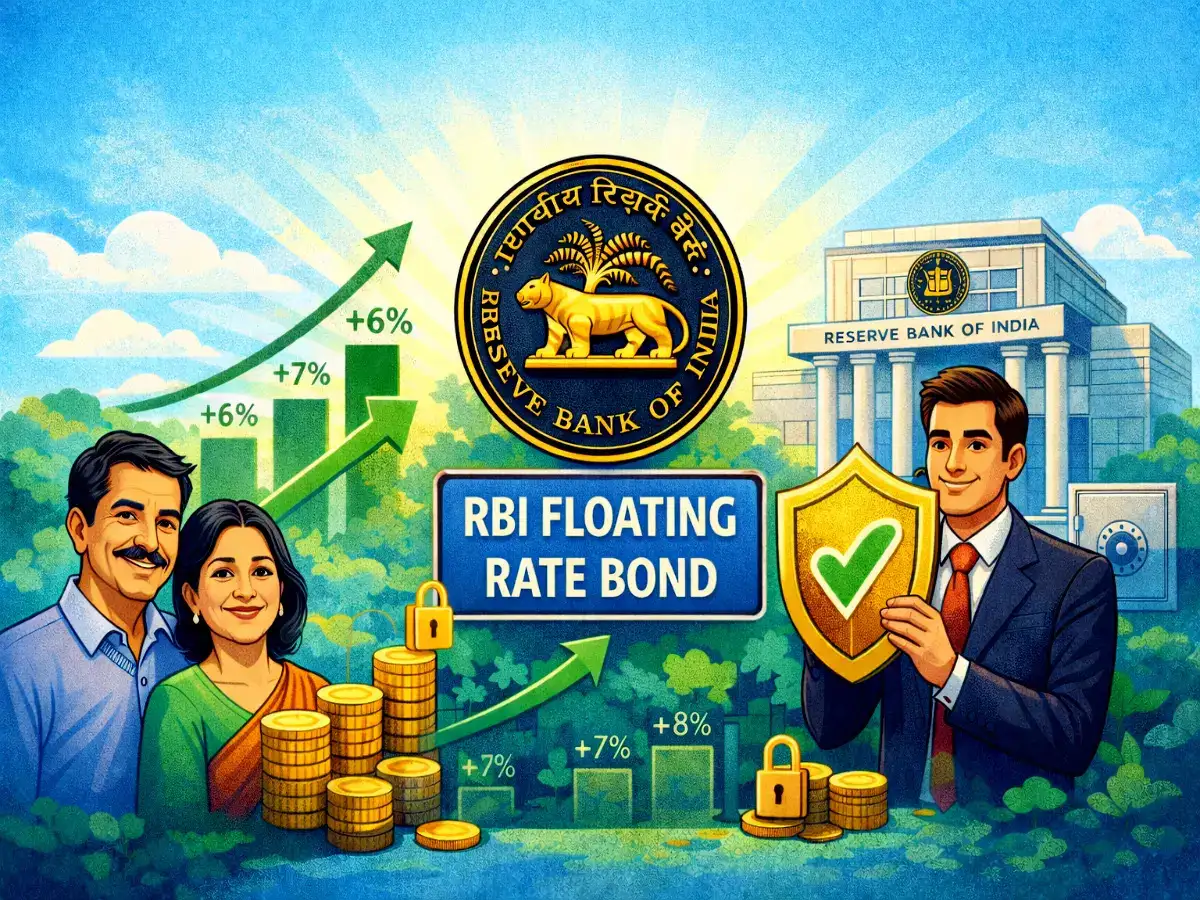
India’s financial system has long depended heavily on banks for funding.
Companies borrow from banks.
Banks carry risk.
System becomes concentrated.
The RBI wants to deepen the corporate bond market to:
-
Diversify funding sources
-
Reduce pressure on banks
-
Increase market transparency
-
Improve liquidity
-
Attract retail participation
A stronger bond market means a more stable economy.
And that’s where opportunity enters for investors like you.
The “New Way” to Invest in Bonds
Earlier, investing in corporate bonds was complicated.
High minimum investment.
Low liquidity.
Information gaps.
Now? Things are evolving.
1️⃣ Online Bond Platforms
SEBI-registered online bond platforms now allow retail investors to buy listed corporate bonds directly.
Minimum investments are much lower than before.
2️⃣ RBI’s Push for Market Transparency
With improved disclosure norms and electronic trading systems, bond pricing is becoming more transparent.
This reduces information asymmetry — which used to scare retail investors away.
3️⃣ Direct Retail Participation in Government Securities
Through the RBI Retail Direct Scheme, individuals can now directly invest in government securities.
While that’s technically government bonds, it reflects a larger shift: RBI wants retail money in debt markets.
That ecosystem boost indirectly strengthens corporate bond participation too.
Corporate Bonds vs Fixed Deposits: The Real Comparison
Let’s be honest.
Most Indians default to FDs.
But compare this carefully:
| Feature | Fixed Deposit | Corporate Bond |
|---|---|---|
| Returns | 6–8% (approx) | 7–10% (depending on rating) |
| Safety | High | Depends on credit rating |
| Liquidity | Moderate | Listed bonds can be sold |
| Taxation | Fully taxable | Tax-efficient options available |
High-rated AAA corporate bonds can offer slightly higher yields than FDs — with comparable stability.
The difference may look small.
But over 5–10 years? It compounds like crazy.
Are Corporate Bonds Safe?
Let’s not sugarcoat it.
Corporate bonds are not risk-free.
There are three main risks:
1️⃣ Credit Risk
If the company defaults, you may lose money.
That’s why ratings matter — AAA, AA, A etc.
2️⃣ Interest Rate Risk
If interest rates rise, bond prices fall.
But if you hold till maturity? You still get your principal (assuming no default).
3️⃣ Liquidity Risk
Some bonds are less frequently traded.
This is where RBI’s liquidity push becomes important.
The central bank wants deeper markets so investors can enter and exit smoothly.
Why RBI’s Strategy Matters for Investors
When a central bank supports market development, it’s not random.
The RBI’s long-term goal is financial system stability.
A deep corporate bond market:
-
Reduces systemic banking risk
-
Spreads credit risk
-
Attracts foreign investment
-
Improves capital allocation
For retail investors, this means:
More products
Better transparency
Improved trading systems
Lower entry barriers
This isn’t a short-term gimmick. It’s structural reform.
Who Should Consider Corporate Bonds?
Corporate bonds may suit:
-
Conservative investors looking for better-than-FD returns
-
Portfolio diversifiers
-
Investors seeking predictable cash flow
-
Retirees building fixed income streams
They may NOT suit:
-
Aggressive traders
-
Short-term speculators
-
People who panic during interest rate cycles
Know your temperament before jumping in.
How to Start Investing in Corporate Bonds in India

Here’s a practical roadmap:
Step 1: Understand Credit Ratings
Stick to AAA or AA-rated bonds if you’re starting.
Step 2: Choose Platform
Use SEBI-registered bond platforms or brokers offering listed bonds.
Step 3: Check Yield to Maturity (YTM)
Don’t just look at coupon rate. YTM tells you actual return if held till maturity.
Step 4: Diversify
Don’t put everything into one issuer.
Step 5: Match Duration to Your Goals
Short-term goals? Choose shorter maturity bonds.
Long-term? Lock in higher rates.
The Bigger Picture: India’s Debt Market Evolution
India’s corporate bond market is still small compared to developed economies.
In countries like the US, bond markets are far deeper than banking channels.
As India’s economy grows toward multi-trillion-dollar status, capital markets must evolve.
The RBI understands this.
Deepening the bond market is part of long-term financial architecture building.
And when infrastructure strengthens, early participants often benefit.
Is This the Right Time?
Interest rate cycles matter.
If rates are near peak levels, locking into high-yield bonds can be smart.
If rates fall later, bond prices rise — giving potential capital gains.
This is where macro awareness becomes powerful.
Corporate bonds aren’t just boring instruments.
Used intelligently, they’re strategic tools.
Final Thoughts: The Quiet Wealth Builder
Stocks create excitement.
Crypto creates chaos.
Corporate bonds? They create steady compounding.
Not flashy.
Not viral.
But powerful.
As the Reserve Bank of India strengthens India’s bond ecosystem, retail investors finally have access to an asset class once dominated by institutions.
If you’re building long-term wealth — not chasing dopamine — this space deserves attention.
Sometimes the smartest move isn’t loud.
It’s disciplined.
And corporate bonds might just be that move.