

Why Gold Is Falling Despite Wars: The Real Reason Behind the Price Crash
Gold has always been considered the ultimate safe-haven asset. Whenever wars, geopolitical tensions, or economic crises arise, investors usually rush to gold to protect their wealth. However, the recent trend has surprised many — despite ongoing global conflicts, gold prices have actually fallen.
This unexpected movement has left investors confused. If wars increase uncertainty, why is gold not rising? Why is it falling instead?
To understand this, it is important to look beyond traditional assumptions and examine the broader economic factors currently influencing the gold market.
The Traditional Role of Gold During Wars
Historically, gold performs well during periods of uncertainty.
During wars or geopolitical tensions, investors typically avoid risky assets such as stocks and move their money into safer options like gold. This increased demand usually pushes gold prices higher.
Gold is seen as a store of value because:
- It is not tied to any single economy
- It protects against inflation
- It holds value during currency fluctuations
Because of these qualities, gold has earned its reputation as a “safe haven.”
However, the current situation shows that gold does not always behave in predictable ways.
Strong US Dollar Is Putting Pressure on Gold
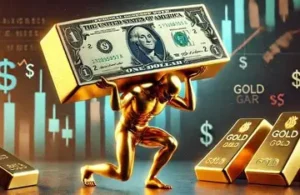
One of the biggest reasons gold is falling despite wars is the strength of the US dollar.
Gold and the US dollar share an inverse relationship. When the dollar becomes stronger, gold prices tend to fall.
This happens because gold is priced globally in dollars. When the dollar strengthens:
- Gold becomes more expensive for buyers using other currencies
- Global demand for gold decreases
- Prices begin to fall
Right now, investors are heavily moving into the US dollar because it is considered the safest and most liquid asset in times of uncertainty.
So instead of buying gold, many investors are choosing to hold dollars.
High Interest Rates Are Making Gold Less Attractive
Another major factor behind falling gold prices is rising interest rates.
Gold does not generate any income. It does not pay interest or dividends.
When interest rates are low, this is not a big issue. But when interest rates rise:
- Bonds offer higher returns
- Fixed deposits become more attractive
- Savings accounts yield better returns
This creates a shift in investor behavior.
Instead of holding gold, investors prefer assets that generate income. As a result, demand for gold decreases, leading to a fall in prices.
Investors Are Moving Toward Cash and Bonds
In times of extreme uncertainty, investors do not always choose gold as their first option.
Instead, many investors prefer highly liquid assets such as cash or government bonds.
Cash, especially in the form of the US dollar, provides immediate access and flexibility. Government bonds are considered safe and offer returns.
This shift in preference is known as a “flight to liquidity.”
As investors move money into cash and bonds, gold demand weakens, causing prices to decline.
Profit Booking After a Strong Rally
Gold prices had already seen a strong rally in the months leading up to the current situation.
When prices rise significantly, investors often decide to lock in their profits. This process is known as profit booking.
Once large investors start selling, it creates downward pressure on prices.
In the current scenario, many traders and institutions took advantage of high gold prices to exit their positions and secure gains.
This selling activity contributed to the recent fall in gold prices.
Why Wars Alone Are Not Enough to Push Gold Higher
While wars do create uncertainty, they are not the only factor influencing gold prices.
In today’s global economy, multiple forces interact simultaneously:
- Currency strength
- Interest rates
- Inflation
- Central bank policies
- Investor sentiment
Even if geopolitical tensions increase, strong economic factors like a rising dollar or high interest rates can outweigh the impact of war.
This is why gold is falling despite ongoing conflicts involving countries like Iran and Israel.
Impact of Central Bank Policies
Central banks play a crucial role in shaping gold prices.
When central banks raise interest rates or tighten monetary policy, it reduces liquidity in the financial system.
Lower liquidity means less money available for investment in assets like gold.
At the same time, central banks themselves buy or sell gold as part of their reserves. Any slowdown in central bank gold purchases can also affect prices.
Recent policy signals from major central banks have supported higher interest rates, which has negatively impacted gold demand.
Global Market Sentiment and Risk Appetite
Investor sentiment plays a major role in determining gold prices.
When investors are optimistic about economic growth, they tend to invest more in stocks and other high-return assets.
When they are pessimistic, they shift toward safer assets.
However, the definition of “safe” can change.
In the current environment, many investors see the US dollar and government bonds as safer than gold.
This shift in perception has reduced gold’s appeal, contributing to the price decline.
Impact on Indian Gold Buyers
For consumers in India, falling gold prices can have both positive and negative effects.
On the positive side:
- Lower prices make gold more affordable
- Buyers can purchase more gold for the same amount of money
On the negative side:
- Investors who bought gold at higher prices may face losses
Gold demand in India is also influenced by cultural and seasonal factors such as weddings and festivals.
If prices remain low, demand may increase in the coming months.
Should Investors Be Worried?
A fall in gold prices can be concerning, especially for those who see gold as a safe investment.
However, it is important to remember that all financial markets experience cycles.
Gold prices do not move in a straight line. They rise and fall based on changing economic conditions.
Short-term declines do not necessarily indicate a long-term trend.
For long-term investors, gold continues to be a valuable asset for diversification and risk management.
Is This a Good Time to Buy Gold?
The recent fall in gold prices has created a potential opportunity for investors.
Buying during price dips can be beneficial for long-term investment strategies.
However, timing the market perfectly is difficult.
Instead of investing a large amount at once, many experts recommend a gradual investment approach.
This helps reduce risk and allows investors to benefit from price fluctuations over time.
What to Watch Next
The future direction of gold prices will depend on several key factors:
- Movement of the US dollar
- Changes in interest rates
- Inflation trends
- Central bank policies
- Geopolitical developments
If the US dollar weakens or interest rates fall, gold prices may start rising again.
Similarly, if geopolitical tensions escalate significantly, safe-haven demand for gold could increase.
Long-Term Outlook for Gold
Despite the current decline, gold remains an important asset in the global financial system.
It continues to serve as:
- A hedge against inflation
- A store of value
- A diversification tool
Over the long term, gold has historically maintained its value and provided stability during economic uncertainty.
While short-term movements may be unpredictable, gold’s long-term role remains unchanged.
Conclusion
The recent fall in gold prices despite global wars may seem surprising, but it can be explained by a combination of factors.
A strong US Dollar, rising interest rates, investor preference for cash and bonds, and profit booking have all contributed to the decline.
This situation highlights an important lesson — gold prices are influenced by multiple factors, not just geopolitical events.
For investors, the key is to stay informed, avoid panic, and focus on long-term strategies.
As global economic conditions evolve, gold prices are likely to remain dynamic, offering both risks and opportunities.