

The “Safe Haven Isn’t Safe Anymore: How Global Conflicts Are Rewriting Investment Rules
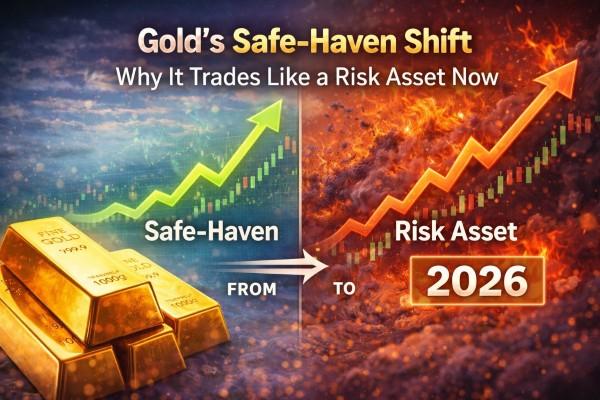
For decades, investors followed a simple rule during times of uncertainty: move money into “safe have But in 2026, that rule is starting to crack”.
As conflicts across key regions—from the Middle East to Eastern Europe—intensify and persist, traditional safe havens are no longer behaving the way investors expect. Instead of offering stability, some of these assets are showing unusual volatility, leaving both retail and institutional investors questioning a fundamental principle of modern finance:
Is anything truly safe anymore?
What “Safe Haven” Really Meant—Until Now
Historically, safe haven assets were defined by three key characteristics:
- Stability during market turbulence
- Low correlation with equities
- High liquidity and global acceptance
Gold, U.S. Treasury bonds, and the U.S. dollar became the holy trinity of safety. During crises like the 2008 financial meltdown or the early days of the COVID-19 pandemic, these assets performed exactly as expected.
When stock markets crashed, gold prices surged. When uncertainty spiked, investors rushed into government bonds. The system worked because there was a shared global belief in the stability of these instruments.
But today, that belief is being tested.
A Different Kind of Crisis
The current global environment is not defined by a single, isolated event. Instead, it’s shaped by overlapping crises:
- Prolonged geopolitical tensions involving Iran
- Ongoing conflict zones affecting energy supply chains
- Strategic competition between major global powers
- Economic fragmentation and shifting alliances
Unlike past crises, which were often short-lived or region-specific, today’s risks are persistent and interconnected. This creates a new kind of pressure on financial markets—one where traditional patterns no longer hold.
Gold: Still Shiny, But Not Stable
Gold has long been considered the ultimate safe haven. And while it still attracts inflows during periods of fear, its behavior has become less predictable.
In recent months, gold prices have experienced sharp swings rather than steady upward movement. On some days, gold rises alongside market fear. On others, it drops despite worsening geopolitical conditions.
Why?
Because gold is now influenced by multiple competing forces:
- Rising interest rates, which reduce its appeal
- A strong U.S. dollar, which pressures prices
- Speculative trading by large institutions
As a result, gold is no longer a one-directional hedge. It still plays a role in portfolios, but it no longer guarantees stability.
Bonds: The “Safe” Asset That Can Lose Money
Government bonds, especially U.S. Treasuries, were once considered virtually risk-free. But the past few years have challenged that assumption.
Rising inflation has forced central banks to maintain higher interest rates for longer. And when interest rates rise, bond prices fall.
This has created a strange scenario where:
- Investors seeking safety in bonds are facing capital losses
- Long-term bond yields are becoming volatile
- Confidence in fixed-income stability is weakening
In other words, the asset class designed to reduce risk is now introducing a different kind of risk.
The U.S. Dollar: Strong, But Complicated
The U.S. dollar remains one of the most important safe haven assets globally. During times of crisis, it often strengthens as investors seek liquidity and security.
However, even the dollar’s role is evolving.
While it continues to benefit from global uncertainty, there are growing concerns about:
- Overreliance on a single reserve currency
- Efforts by some nations to reduce dollar dependence
- The long-term impact of U.S. fiscal policies
This doesn’t mean the dollar is losing its dominance overnight. But it does suggest that its position as an unquestioned safe haven may face challenges in the future.
Oil: The Unexpected “Safe Haven”
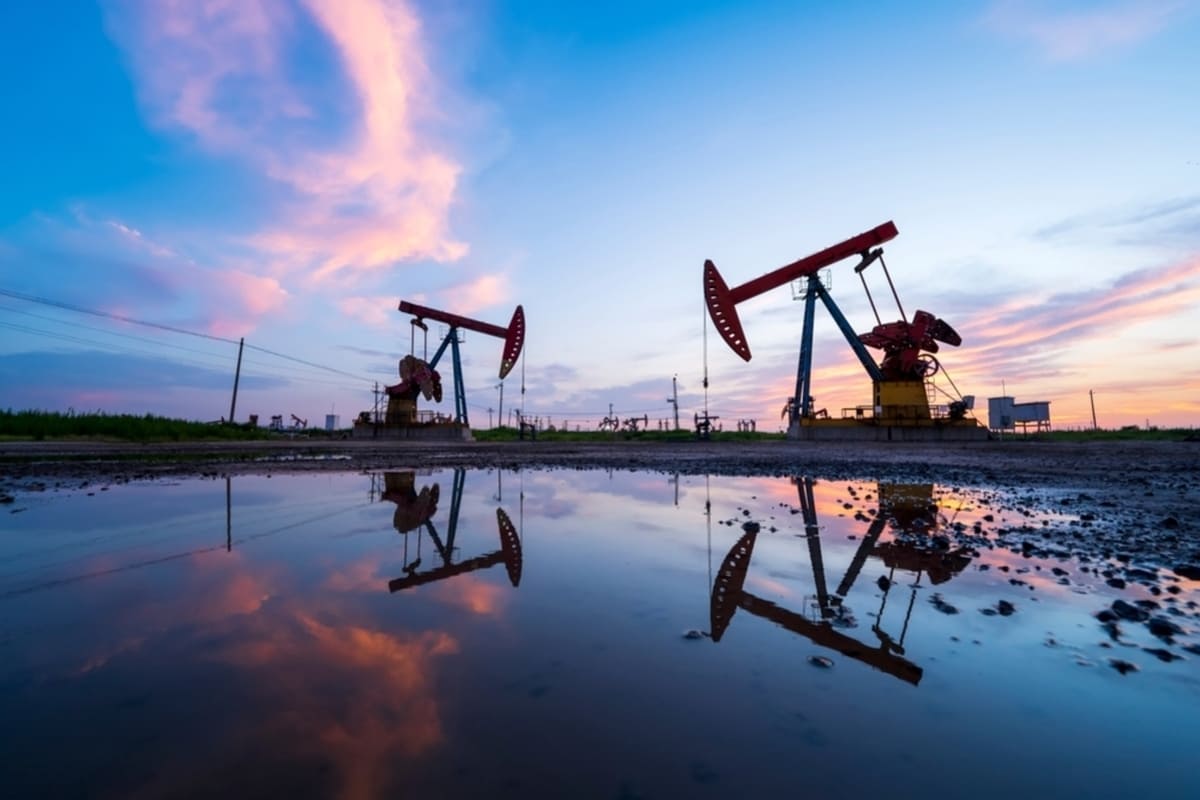
One of the most surprising developments in recent times is the behavior of oil.
Traditionally seen as a volatile commodity, oil has started acting like a hedge during geopolitical crises—particularly those involving the Middle East.
As tensions rise, oil prices surge due to fears of supply disruptions. This creates an unusual dynamic where:
- Energy stocks outperform broader markets
- Oil becomes a short-term “safe play”
- Investors rotate into commodities instead of traditional havens
This shift reflects a deeper change in how markets respond to global events.
Why Safe Havens Are Failing
So what’s actually going wrong?
The answer lies in the complexity of today’s global environment.
1. Inflation Is Changing Everything
In the past, safe havens worked because inflation was relatively stable. Today, inflation is a major and unpredictable force.
This affects:
- Bond yields
- Currency strength
- Real returns on gold
2. Central Banks Are No Longer Predictable
Monetary policy used to be more stable. Now, central banks are constantly adjusting strategies based on evolving economic conditions.
This creates uncertainty even in traditionally stable assets.
3. Geopolitics Is Persistent, Not Temporary
Earlier crises had clear beginnings and endings. Today’s conflicts are ongoing, with no immediate resolution in sight.
This constant state of tension keeps markets on edge.
4. Market Participation Has Changed
The rise of retail investors, algorithmic trading, and global connectivity has increased volatility across all asset classes.
Even safe havens are not immune to rapid price swings.
Investors Are Rethinking Strategy
With traditional safe havens losing their reliability, investors are being forced to adapt.
Instead of relying on a single asset class, many are adopting a more diversified approach:
- Combining equities, commodities, and cash
- Allocating to alternative assets
- Focusing on sectors that benefit from geopolitical trends
This shift represents a move away from the old playbook toward a more flexible investment strategy.
The Rise of “Relative Safety”
In today’s market, absolute safety may no longer exist. Instead, investors are thinking in terms of relative safety.
This means identifying assets that perform better than others under specific conditions, rather than expecting any asset to remain stable at all times.
For example:
- Energy stocks during oil supply shocks
- Defensive sectors during economic slowdowns
- Cash during periods of extreme volatility
This approach requires a deeper understanding of market dynamics and a willingness to adapt.
What This Means for Retail Investors

For individual investors, this shift can feel overwhelming. But it also presents an opportunity to build smarter, more resilient portfolios.
Key takeaways include:
Don’t Rely on Old Assumptions
Just because something worked in the past doesn’t mean it will work today.
Diversification Is More Important Than Ever
Spreading investments across different asset classes can help reduce risk.
Stay Informed
Geopolitical developments now play a major role in market movements.
Think Long-Term
Short-term volatility is inevitable, but long-term strategies remain effective.
A New Era for Global Markets
The idea of safe haven assets is not disappearing—but it is evolving.
Markets in 2026 are shaped by a unique combination of factors:
- Persistent geopolitical tensions
- Shifting economic policies
- Rapid technological change
- Increasing global interconnectedness
In this environment, flexibility and awareness are more valuable than rigid strategies.